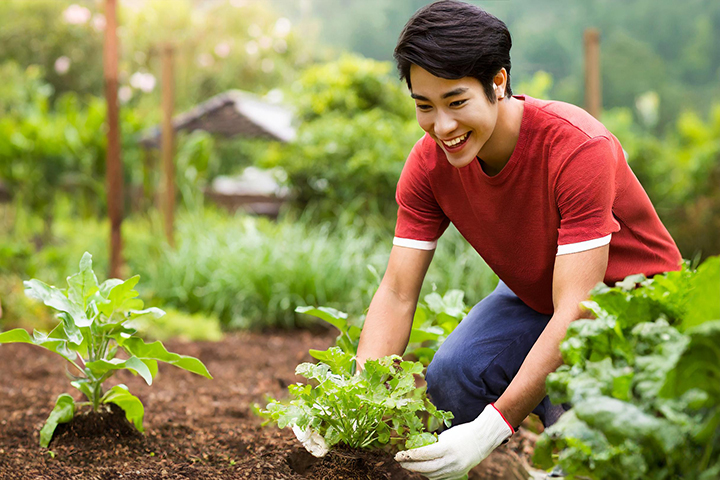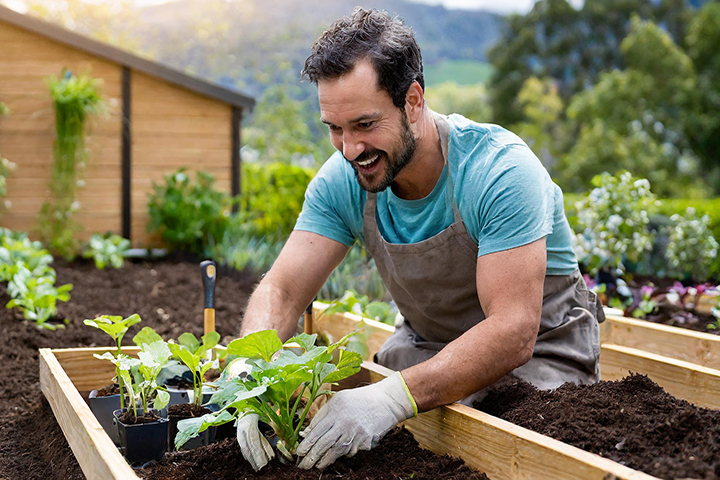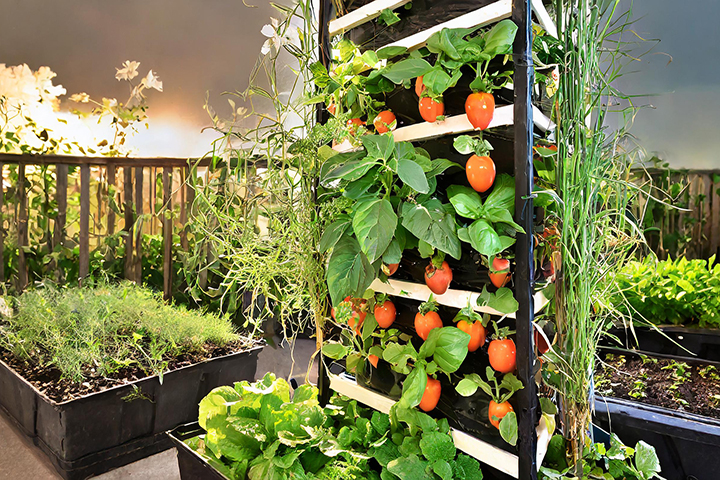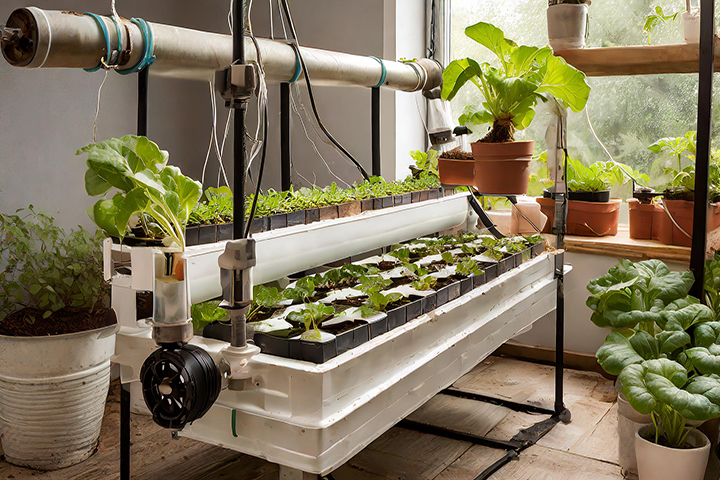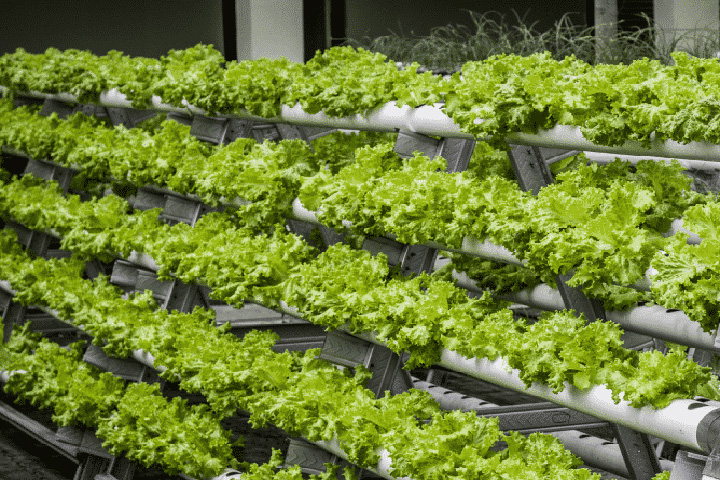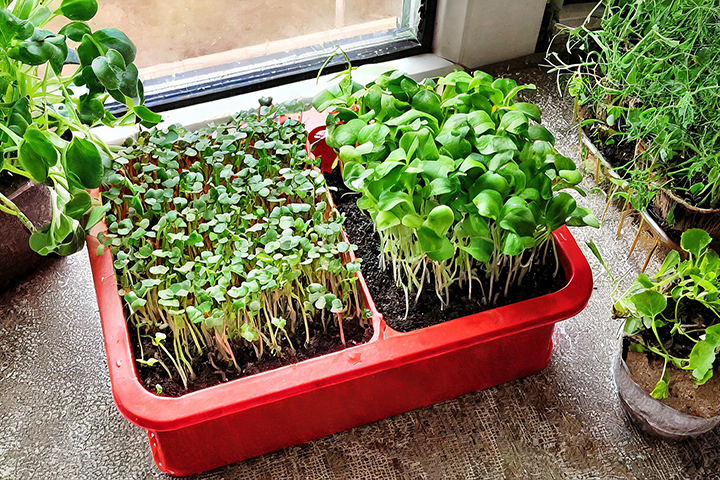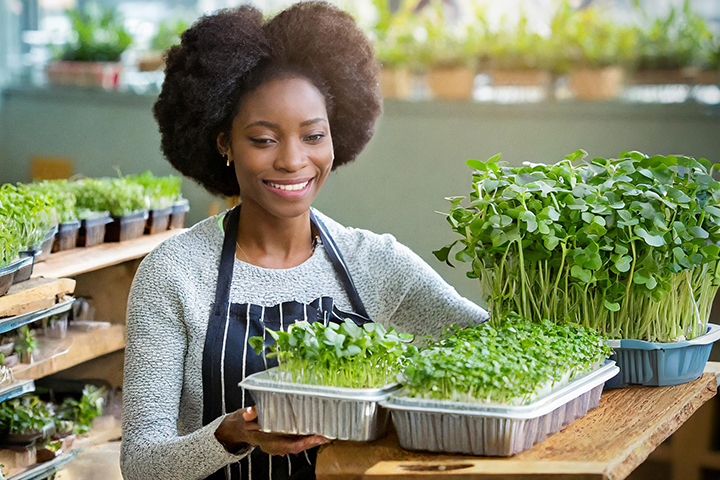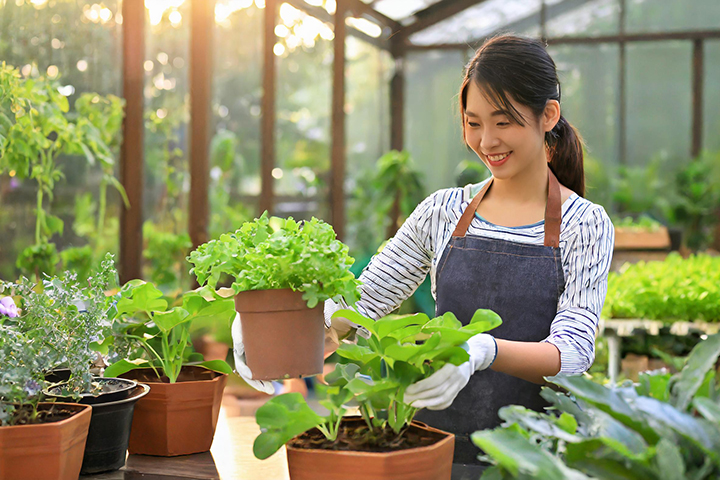
Growing your own food is becoming increasingly important as the future becomes more uncertain. Rising food prices, supply chain disruptions, extreme weather events, and changing economic conditions have shown how vulnerable modern food systems can be. Even temporary shortages or transportation problems can lead to higher costs and reduced availability of fresh produce. A home garden, whether in the ground, raised beds, containers, or hydroponic systems, provides a measure of self-reliance and helps families maintain access to nutritious food regardless of outside conditions.
Beyond food security, gardening offers financial and health benefits. Fresh vegetables, herbs, and fruits can reduce grocery expenses while providing produce that is often fresher and more nutritious than store-bought alternatives. Learning to grow food also develops valuable skills such as seed saving, composting, water conservation, and seasonal planning. These practical abilities increase resilience and allow individuals and families to adapt to changing circumstances with greater confidence.
Growing food also creates a stronger connection to nature and fosters a sense of independence and stewardship. Gardens can become places where families work together, teach children useful skills, and share harvests with neighbors and friends, strengthening local communities. While no backyard garden can replace the entire food supply, even a modest effort can supplement household needs and provide peace of mind. In an uncertain future, the ability to produce some of your own food represents not only a source of nourishment but also an investment in resilience, sustainability, and self-sufficiency.