Grow Pots
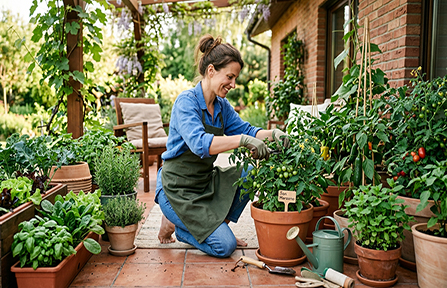 Using grow pots is an excellent way to provide a beneficial supply of fresh vegetables for the family, even when space is limited. Containers can be placed on patios, decks, or small areas of the yard, allowing a wide variety of crops such as tomatoes, peppers, lettuce, herbs, and cucumbers to be grown close to home. Grow pots make it easier to control soil quality, watering, and weeds while reducing many common garden problems. By planting several containers and staggering crops throughout the season, families can enjoy a steady harvest of nutritious produce while lowering grocery costs and gaining the satisfaction and security that come from producing some of their own food.
Grow Pots
Growing vegetables in pots is an excellent way to make productive use of a small patio. A few simple practices can greatly increase your success:
Choose the Right Containers
• Use larger pots whenever possible. Bigger containers hold more soil and moisture, reducing the need for constant watering.
• Five-gallon containers work well for tomatoes, peppers, and eggplants.
• Window boxes and shallow containers are suitable for lettuce, spinach, radishes, and herbs.
• Ensure every container has drainage holes.
Use High-Quality Potting Mix
• Avoid garden soil, which compacts easily.
• Use a lightweight potting mix with compost for good drainage and nutrients.
• Add slow-release fertilizer or compost at planting time.
Match Plants to Available Sunlight
• 6–8 hours of sun: Tomatoes, peppers, cucumbers, beans, and squash.
• 4–6 hours: Lettuce, kale, chard, beets, carrots, and herbs.
• Leafy greens often perform better than fruiting vegetables if the patio receives partial shade.
Grow Vertically
• Use cages, stakes, or trellises for tomatoes, cucumbers, peas, and pole beans.
• Hanging baskets can hold strawberries, herbs, and cherry tomatoes.
• Multi-tier plant stands increase growing area without taking up floor space.
Water Consistently
• Containers dry out much faster than garden beds.
• During hot weather, pots may need watering once or twice daily.
• Self-watering containers or drip irrigation systems can simplify maintenance.
Feed Plants Regularly
• Nutrients wash out of pots over time.
• Apply a balanced liquid fertilizer every two to three weeks, or according to label directions.
• Heavy feeders like tomatoes and peppers benefit from regular feeding.
Grow Compact Varieties
Look for dwarf or patio varieties such as:
• Patio tomatoes and cherry tomatoes.
• Bush cucumbers and bush beans.
• Mini bell peppers.
• Compact zucchini.
• Lettuce, spinach, kale, Swiss chard, green onions, and herbs.
Succession Planting
Instead of planting everything at once:
• Sow lettuce and radishes every two to three weeks.
• Replace spring greens with summer crops when temperatures rise.
• Replant containers after harvest to keep them productive throughout the season.
Group Plants Wisely
• One large pot: Tomato with basil around the edge.
• Window box: Lettuce, green onions, and parsley.
• Trellised container: Cucumbers with lettuce beneath for shade.
• Herb pot: Basil, thyme, oregano, and chives together.
Vegetables That Produce Well in Containers
• Cherry tomatoes
• Peppers
• Lettuce
• Spinach
• Kale
• Green onions
• Radishes
• Carrots (short varieties)
• Bush beans
• Cucumbers (trellised)
• Strawberries
• Basil, parsley, cilantro, oregano, and thyme
Even a small patio with a half dozen containers can provide a steady supply of salads, herbs, tomatoes, peppers, and other fresh vegetables throughout the growing season
LINKS