Conventional Gardening
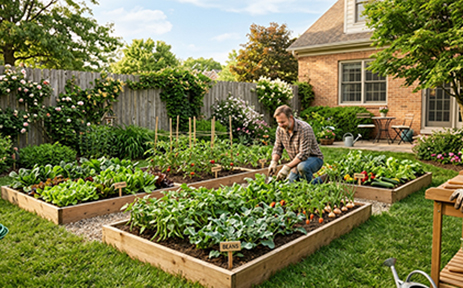 Having a backyard garden is an excellent way to supplement your family's vegetable supply while enjoying fresh, flavorful produce harvested right at home. Even a modest garden can provide a steady supply of tomatoes, peppers, lettuce, beans, carrots, cucumbers, and other vegetables throughout the growing season. Growing your own food helps reduce grocery expenses, allows you to control the use of fertilizers and pesticides, and encourages healthier eating habits by making fresh vegetables readily available. In addition to providing nutritious food, a backyard garden offers opportunities for exercise, relaxation, and family involvement, making it a rewarding and sustainable way to enhance household self-sufficiency.
Many vegetables grow very well directly in the ground, and people have successfully gardened this way for centuries. Special containers or raised beds are convenient, but they are not required.
Here are some tips for growing vegetables in your backyard without building containers
Prepare the Soil
• Remove grass and weeds from the planting area.
• Loosen the soil 8–12 inches deep with a shovel or garden fork.
• Mix in compost or aged manure to improve fertility and drainage.
• If possible, perform a soil test to determine pH and nutrient levels.
Choose an Area with Plenty of Sun
Most vegetables need at least 6–8 hours of direct sunlight daily. Tomatoes, peppers, cucumbers, squash, beans, and corn especially benefit from full sun.
Start with Easy Vegetables
• Tomatoes
• Bush beans
• Zucchini
• Cucumbers
• Lettuce
• Carrots
• Radishes
• Peas
• Onions
• Potatoes
Plant in Rows or Wide Beds
You can simply make rows in the soil and plant seeds or seedlings according to the recommended spacing. Leave enough room between rows for walking and weeding.
Mulch to Reduce Weeds
Apply grass clippings, straw, shredded leaves, or compost around plants. Mulch helps retain moisture and suppress weeds.
Water Consistently
Most vegetables need about 1 inch of water per week. Water deeply rather than frequently to encourage deep roots.
Consider Companion Plants
Flowers such as marigolds and herbs like basil can attract pollinators and may help discourage some pests.
Start Small
Even a 10 × 10-foot patch can produce a surprising amount of food and help you learn what grows best in your yard
Growing directly in native soil has some advantages
• Lower cost.
• Less work and fewer materials.
• Greater moisture retention.
• Deeper root growth for many crops.
• Easier expansion as your garden grows.
Unless your soil is extremely rocky, compacted, contaminated, or poorly drained, you can absolutely have a productive backyard vegetable garden without building raised beds or special containers.
LINKS