Hydroponics
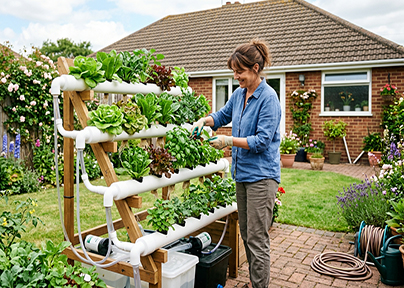 Having a hydroponics system is an excellent way to supplement your family's vegetable supply by producing fresh, healthy produce without the need for traditional soil. By delivering nutrients directly to plant roots through water, hydroponic systems allow vegetables to grow quickly and efficiently while using significantly less water than conventional gardens. They can be installed indoors or outdoors, making it possible to enjoy year-round harvests of lettuce, herbs, tomatoes, peppers, and other vegetables regardless of climate or soil conditions. A hydroponics system helps reduce grocery costs, provides greater control over growing conditions, and offers families a dependable source of fresh vegetables while promoting self-sufficiency and sustainable food production.
Hydroponics Setup
A backyard hydroponic system can produce a surprising amount of fresh vegetables while using much less water than traditional gardening. Starting simple and designing for reliability will make the experience more enjoyable and successful.
Start with a Simple System
For beginners, consider:
Deep Water Culture (DWC): Easy and inexpensive; excellent for lettuce, herbs, and leafy greens.
Kratky method: Passive hydroponics with no pumps or electricity.
Dutch buckets: Ideal for tomatoes, peppers, cucumbers, and larger plants.
Nutrient Film Technique (NFT): Efficient for leafy greens but requires more attention.
Choose a Good Location
Provide at least 6–8 hours of sunlight daily.
Ensure access to electricity and water if pumps are used.
Avoid areas exposed to strong winds.
In hot climates, afternoon shade or shade cloth can prevent overheating.
Use Food-Grade Materials
Food-grade buckets, totes, or PVC components are safest.
Opaque containers prevent algae growth by blocking light.
Keep nutrient reservoirs covered and shaded.
Select Easy Crops First
Excellent beginner choices include:
Lettuce
Spinach
Kale
Swiss chard
Basil
Parsley
Cilantro
Green onions
Once comfortable, expand to:
Tomatoes
Peppers
Cucumbers
Strawberries
Beans
Monitor Water and Nutrients
Maintain pH between about 5.5 and 6.5.
Check nutrient concentration (EC/TDS) regularly.
Replace or replenish nutrient solution as needed.
Keep a small pH meter and TDS meter on hand.
Keep Water Temperatures Moderate
Ideal nutrient temperatures are around 18–24°C (65–75°F).
Shade reservoirs during summer.
Light-colored containers absorb less heat.
In very hot weather, bury or insulate reservoirs if practical.
Provide Support for Larger Plants
Use tomato cages, stakes, or trellises.
Secure vines to prevent tipping and broken stems.
Consider vertical growing to maximize space.
Plan for Power Interruptions
Air pumps and circulation pumps are critical for many systems.
Battery backups or small solar systems can protect crops during outages.
Kratky systems eliminate dependence on pumps for some crops.
Prevent Algae and Pests
Exclude light from nutrient reservoirs.
Remove dead leaves promptly.
Inspect plants weekly for aphids, caterpillars, and spider mites.
Maintain good airflow around plants.
Expand Gradually
Start with a few plants and gain experience before scaling up.
A practical beginner setup might include:
One 20–30 gallon reservoir.
Four to six net pots.
Air pump and air stones.
pH meter and TDS meter.
Hydroponic nutrients.
Lettuce, basil, and spinach.
Many gardeners find that a combination works best: hydroponics for leafy greens and herbs, and traditional raised beds or containers for root crops and larger vegetables. This provides fresh produce year-round while keeping the system simple and manageable.
LINKS