Healthcare Help
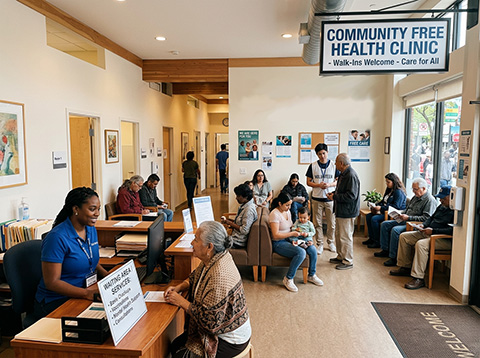 Healthcare assistance is available for many low-income individuals and families through government programs, community clinics, and nonprofit organizations. Programs such as Medicaid and the Children's Health Insurance Program (CHIP) help eligible people receive affordable or free medical care, including doctor visits, hospital services, prescriptions, and preventive care. Community health centers often provide low-cost services regardless of a person's ability to pay, and many hospitals offer financial assistance programs for those who qualify. These resources help ensure that people with limited incomes can access essential healthcare services, improve their health, and receive treatment when they need it most.
Help is available for people suffering from poor health through a variety of healthcare services and community resources. Doctors, nurses, and other healthcare professionals can diagnose illnesses, provide treatment, and offer advice on improving overall well-being. Many people also benefit from physical therapy, counseling, support groups, and nutrition programs that address both physical and mental health needs. Family members, friends, and community organizations can provide emotional support and encouragement during recovery. By seeking medical care early and making healthy lifestyle changes, individuals can often manage health problems more effectively and improve their quality of life.
Getting Help
There are many sources of healthcare assistance in the United States. Which ones are most appropriate depends on a person's age, income, employment, military service, disability status, and medical needs. Common sources include:
1. Primary Care Physicians – Usually the best place to begin for preventive care, routine illnesses, health screenings, and referrals to specialists.
2. Health Insurance Networks – Most insurance companies provide online directories and customer service to help members locate in-network doctors, specialists, hospitals, and urgent care centers.
3. Community Health Centers – Federally funded health centers provide primary care, dental care, behavioral health services, and preventive care regardless of a person's ability to pay. Fees are often based on income.
4. County or City Health Departments – Local health departments offer vaccinations, disease screening, maternal and child health services, health education, and referrals to other medical resources.
5. Urgent Care Centers – Appropriate for illnesses and injuries that require prompt attention but are not life-threatening, often with shorter wait times than emergency departments.
6. Hospital Systems – Hospitals provide emergency care, specialty clinics, diagnostic testing, surgery, rehabilitation, and many outpatient services.
7. Emergency Departments – For serious or life-threatening conditions such as chest pain, severe injuries, difficulty breathing, stroke symptoms, or major bleeding.
8. Telehealth Services – Many healthcare providers and insurance plans offer virtual appointments for common illnesses, follow-up visits, prescription renewals, and mental health counseling.
9. Pharmacies – Many pharmacies offer immunizations, health screenings, medication counseling, and treatment for minor illnesses through walk-in clinics.
10.Mental Health Providers – Psychologists, psychiatrists, licensed counselors, and social workers provide treatment for emotional, behavioral, and mental health concerns.
11. Dental Clinics – Dentists and dental hygienists provide preventive care, examinations, cleanings, restorative procedures, and emergency dental treatment.
12. Vision Care Providers – Optometrists and ophthalmologists provide eye examinations, prescribe corrective lenses, diagnose eye diseases, and perform eye surgery when needed.
13. Women's Health Clinics – These clinics provide gynecological care, prenatal care, family planning, cancer screenings, and reproductive health services.
14. Children's Healthcare Providers – Pediatricians and family physicians provide routine care, vaccinations, developmental screenings, and treatment for childhood illnesses.
15. Veterans Health Services – Eligible military veterans can receive comprehensive healthcare through the U.S. Department of Veterans Affairs.
16. Employer Health Programs – Many employers offer employee health clinics, wellness programs, health coaching, or employee assistance programs (EAPs).
17. Medical Specialists – Cardiologists, orthopedic surgeons, endocrinologists, dermatologists, neurologists, and many other specialists provide care for specific medical conditions, usually through referral.
18. Nonprofit Organizations – Organizations focused on specific diseases often provide education, patient support groups, financial assistance, transportation assistance, and referrals to specialists.
19. University Medical Centers – Medical schools and teaching hospitals often provide access to specialists, advanced treatments, and clinical research studies.
20. Free and Charitable Clinics – Many communities have nonprofit clinics that provide low-cost or free medical care to uninsured or underinsured individuals.
Ways to find healthcare providers
1. Ask your primary care physician for referrals.
2. Use your health insurance provider's directory.
3. Contact your local health department.
4. Search online for community health centers or free clinics in your area.
5. Ask friends or family members for recommendations.
6. Contact local hospitals for physician referral services.
7. Speak with your pharmacist, who can often recommend appropriate healthcare providers.
Seeking medical care early—before a condition becomes serious—can often improve outcomes, reduce treatment costs, and help prevent complications. Regular preventive care, such as annual checkups, recommended vaccinations, and health screenings, is an important part of maintaining long-term health.