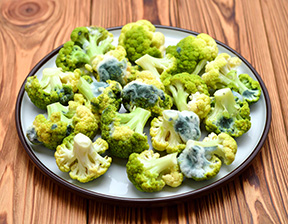
Eating unspoiled foods is essential for maintaining good health and preventing foodborne illnesses. Spoiled foods can contain harmful bacteria, molds, or toxins that may lead to nausea, vomiting, diarrhea, or more serious health complications. In contrast, fresh, unspoiled foods retain their full nutritional value, providing the vitamins, minerals, and energy our bodies need to function properly. Consuming only safe, unspoiled foods also supports better digestion and strengthens the immune system. Additionally, avoiding spoiled food reduces waste and helps ensure that the food we purchase and prepare benefits our health rather than harms it.
Good food quality is determined by several factors that affect safety, nutrition, appearance, flavor, and overall value. Important factors include:
1. Safety – Food should be free from harmful bacteria, molds, toxins, chemical contaminants, and foreign objects. Proper handling and storage are essential.
2. Freshness – Fresh ingredients generally have better flavor, texture, and nutrient content. Signs of freshness include vibrant color, pleasant aroma, and appropriate firmness.
3. Nutritional Value – High-quality foods provide essential nutrients such as proteins, vitamins, minerals, healthy fats, fiber, and carbohydrates while minimizing excessive sugar, sodium, and unhealthy fats.
4. Taste and Aroma – Flavor, smell, and the balance of sweetness, acidity, bitterness, saltiness, and umami greatly influence food quality.
5. Texture and Consistency – Foods should have the expected texture, whether crisp, tender, creamy, or juicy, without undesirable toughness, mushiness, or dryness.
6. Appearance – Color, shape, and overall presentation affect perceived quality. Foods should look appealing and show no signs of spoilage or excessive damage.
7. Purity and Ingredient Quality – Quality foods are made from wholesome ingredients with minimal unnecessary fillers, adulterants, or excessive additives.
8. Proper Processing and Storage – Appropriate harvesting, processing, packaging, and temperature control help preserve quality and extend shelf life.
9. Consistency – Consumers expect products to deliver the same taste, texture, and quality from one purchase to the next.
10. Authenticity and Origin – Foods should accurately represent what they claim to be and come from reputable sources with good agricultural and manufacturing practices.
11. Shelf Life – Good-quality food maintains its safety and desirable characteristics throughout its intended storage period.
12. Sustainability and Ethical Production – Increasingly, food quality is also associated with responsible farming, animal welfare, environmental stewardship, and traceability.
In practical terms, good food quality means food that is safe, nutritious, flavorful, visually appealing, properly handled, and consistent with what consumers expect. High-quality food supports health while providing an enjoyable eating experience.