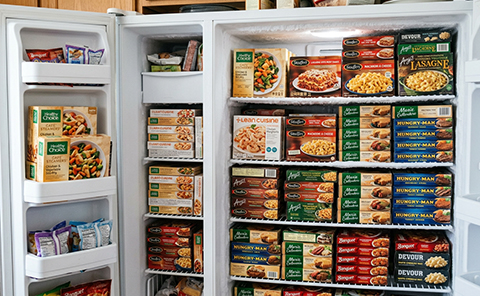
Frozen store-bought dinners provide a convenient solution for busy individuals and families who may not have the time or energy to prepare meals from scratch every day. They require little preparation, are easy to store for extended periods, and offer a wide variety of choices to suit different tastes and dietary needs. Because they are pre-portioned, frozen meals can also help reduce food waste and simplify meal planning. Whether used for a quick lunch, a late-night meal, or as a backup when fresh ingredients are unavailable, frozen dinners offer a practical way to enjoy a hot meal with minimal effort and cleanup.
While store-bought frozen meals are convenient, they can sometimes be an unhealthy choice if relied upon too heavily. Many commercially prepared meals contain high amounts of sodium, saturated fat, added sugars, and preservatives to enhance flavor and extend shelf life. Portion sizes may be small relative to their calorie content, and some meals provide inadequate amounts of vegetables, fiber, and essential nutrients. Highly processed ingredients and food additives are also common in many frozen dinners. Although healthier options are available, regularly consuming heavily processed frozen meals without balancing them with fresh fruits, vegetables, and other whole foods may contribute to poor dietary habits and increase the risk of health problems such as high blood pressure, obesity, and cardiovascular disease.
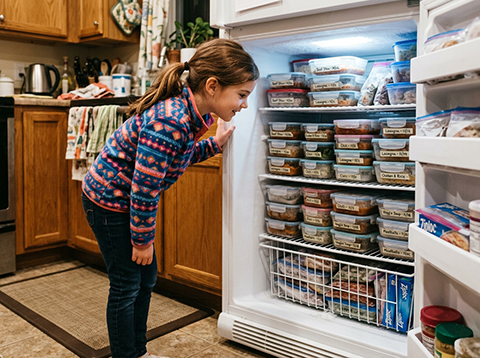
Freezing food can be a major benefit to meal planning by helping save time, reduce waste, and ensure a steady supply of nutritious meals. By preparing and freezing meals in advance, we can avoid the daily stress of cooking from scratch, especially during busy weeks. It also allows us to take advantage of bulk purchases and seasonal ingredients, reducing grocery costs and food spoilage. Freezing preserves the quality and nutritional value of many foods, making it easier to maintain a healthy diet without sacrificing convenience. With a well-stocked freezer, we’re always just a few minutes away from a wholesome, home-cooked meal.
Making your own pre-made meals and freezing them in single-serving portions offers many benefits. Preparing meals in batches saves time and reduces the stress of daily cooking, while portioning them into individual servings makes mealtime quick and convenient. Homemade frozen meals allow you to control the ingredients, helping you avoid excessive sodium, preservatives, and unwanted additives often found in commercially prepared foods. They can also save money by taking advantage of bulk purchases and reducing food waste, since leftovers can be frozen instead of discarded. Having a variety of ready-to-eat meals on hand makes it easier to maintain healthy eating habits, manage portion sizes, and ensure that nutritious meals are always available, even during busy days or unexpected circumstances.
Freezing food can be a major benefit to meal planning by helping save time, reduce waste, and ensure a steady supply of nutritious meals. By preparing and freezing meals in advance, we can avoid the daily stress of cooking from scratch, especially during busy weeks. It also allows us to take advantage of bulk purchases and seasonal ingredients, reducing grocery costs and food spoilage. Freezing preserves the quality and nutritional value of many foods, making it easier to maintain a healthy diet without sacrificing convenience. With a well-stocked freezer, we’re always just a few minutes away from a wholesome, home-cooked meal.
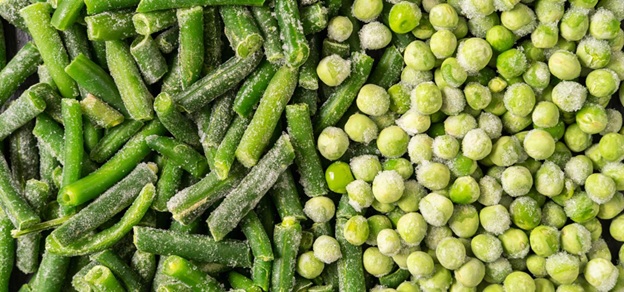
Many vegetables freeze very well, especially when they are blanched briefly in boiling water and then cooled in ice water before freezing. Blanching helps preserve color, texture, flavor, and nutrients.
Excellent Vegetables for Freezing
Vegetable Best Preparation
Broccoli Cut into florets, blanch 3 minutes
Cauliflower Florets, blanch 3 minutes
Green beans Trim, blanch 3–4 minutes
Peas Shell, blanch 1–2 minutes
Corn Freeze kernels or whole cobs after blanching
Carrots Slice or dice, blanch 2–3 minutes
Bell peppers Slice or dice; blanching optional
Spinach Blanch 2 minutes and squeeze dry
Kale Blanch 2–3 minutes
Swiss chard Blanch 2 minutes
Brussels sprouts Blanch 3–5 minutes
Asparagus Blanch 2–4 minutes
Okra Slice, blanch 3–4 minutes
Summer squash Slice and blanch 3 minutes
Zucchini Grated or sliced, blanch 1–3 minutes
Onions Chop and freeze raw
Celery Chop; texture softens but good for soups
Mushrooms Sauté or steam before freezing
Tomatoes Whole, chopped, or pureed; skins slip off after thawing
Pumpkin and winter squash Cook and puree before freezing
Vegetables That Freeze Fairly Well
• Cabbage (best for soups and casseroles)
• Leeks
• Eggplant (best cooked first)
• Sweet potatoes (cook before freezing)
Vegetables That Do Not Freeze Well
These become watery or mushy:
• Lettuce
• Cucumbers
• Radishes
• Raw potatoes (cooked potatoes freeze well)
• Raw turnips
• Bean sprouts
• Celery (for fresh eating)
Tips for Best Results
1. Freeze vegetables as fresh as possible.
2. Blanch most vegetables before freezing.
3. Spread pieces on a tray and freeze individually before bagging to prevent clumping.
4. Remove as much air as possible from freezer bags or vacuum-seal.
5. Label bags with the date.
6. For best quality, use within 8–12 months, though they remain safe longer if kept continuously frozen.
For long-term food storage or preparedness, some of the highest-value vegetables to freeze are broccoli, green beans, peas, carrots, corn, spinach, bell peppers, and tomatoes, since they retain much of their nutrition and are versatile in soups, stews, casseroles, and stir-fries.
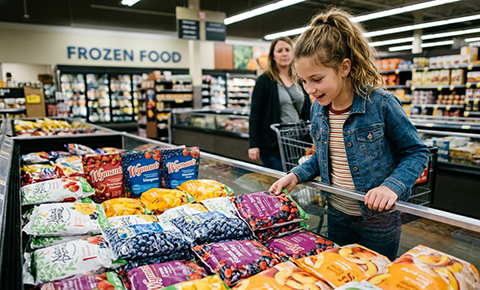
Freezing fruits is one of the simplest and most effective ways to preserve their freshness, flavor, and nutritional value for extended periods. Frozen fruits retain most of their vitamins and antioxidants and can be conveniently used in smoothies, baking, sauces, and desserts throughout the year. Freezing also reduces food waste by allowing excess seasonal fruit to be stored for later use. However, there are some drawbacks. The texture of many fruits becomes softer after thawing because ice crystals rupture the cell walls, making them less suitable for eating fresh. Frozen fruits also require continuous electricity to maintain storage temperatures, and prolonged storage or repeated thawing and refreezing can reduce quality and flavor. Despite these limitations, freezing remains an excellent preservation method for maintaining a reliable supply of nutritious fruit with minimal preparation.
Many fruits freeze very well and can be preserved whole, sliced, pureed, or as juice. Here are some of the most common:
Fruit Whole Sliced/Chunks Juice/Puree
Strawberries ✓ ✓ ✓
Blueberries ✓ – ✓
Raspberries ✓ – ✓
Blackberries ✓ – ✓
Cherries (pitted) ✓ ✓ ✓
Grapes ✓ – ✓
Bananas – ✓ ✓
Peaches – ✓ ✓
Nectarines – ✓ ✓
Apricots – ✓ ✓
Plums – ✓ ✓
Mangoes – ✓ ✓
Pineapple – ✓ ✓
Apples – ✓ ✓
Pears – ✓ ✓
Kiwi – ✓ ✓
Watermelon – ✓ ✓
Cantaloupe/Honeydew – ✓ ✓
Cranberries ✓ – ✓
Lemons ✓ ✓ ✓
Limes ✓ ✓ ✓
Oranges – Segments ✓
Pomegranate arils ✓ – ✓
Fruits best frozen whole
• Blueberries
• Cranberries
• Grapes
• Raspberries
• Blackberries
• Cherries (pitted)
• Strawberries (small)
Fruits best frozen sliced or chunked
• Bananas
• Peaches
• Apples
• Pears
• Mangoes
• Pineapple
• Melons
• Kiwi
Fruits commonly frozen as juice or puree
• Citrus juices (orange, lemon, lime)
• Strawberry puree
• Grape juice
• Apple juice
• Pomegranate juice
• Watermelon juice
• Mango puree
• Peach puree
Tips for freezing fruit
1. Wash and dry thoroughly before freezing.
2. Flash-freeze berries or slices on a baking sheet before transferring to bags to prevent clumping.
3. Remove as much air as possible from freezer bags or use vacuum-sealed bags.
4. Label containers with the date.
5. Most fruits maintain good quality for 8–12 months at 0°F (-18°C).
For long-term food storage and emergency preparedness, berries, peaches, apples, mangoes, pineapple, grapes, cherries, and citrus juice concentrates are among the easiest and most versatile fruits to freeze.
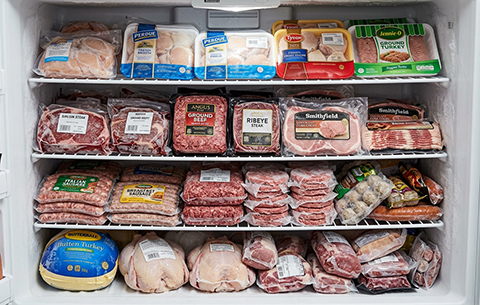
Freezing meat is one of the most effective ways to preserve it for future use while maintaining its nutritional value and flavor. Beef, pork, poultry, lamb, fish, and many processed meats can all be frozen successfully when packaged properly to prevent freezer burn. Wrapping meat tightly in freezer paper, vacuum-sealed bags, or heavy-duty freezer bags with as much air removed as possible helps protect its quality during storage. Labeling each package with the type of meat and the date it was frozen makes it easier to rotate supplies and use the oldest packages first. Although meat remains safe to eat indefinitely if kept continuously frozen at 0°F (-18°C), most cuts retain their best flavor and texture when used within their recommended storage times, making frozen meat an excellent option for both everyday meal planning and long-term emergency food storage.
Following a few basic guidelines can help ensure frozen meat remains safe, flavorful, and of high quality.
Freezing
Freeze meat as soon as possible after purchase or processing.
Divide large packages into meal-sized portions before freezing.
Remove as much air as possible by using vacuum-sealed bags or heavy-duty freezer bags.
Wrap meats tightly to prevent freezer burn.
Label every package with the contents and freezing date.
Maintain a freezer temperature of 0°F (-18°C) or lower.
Thawing
The safest method is to thaw meat in the refrigerator.
Meat can also be thawed in cold water if it is sealed in a leak-proof package. Change the water every 30 minutes.
Microwave thawing is acceptable if the meat will be cooked immediately afterward.
Avoid thawing meat on the kitchen counter, where bacteria can multiply rapidly.
Refreezing
Meat that has been thawed in the refrigerator can generally be safely refrozen, although some moisture loss may reduce quality.
Meat thawed in cold water or a microwave should be cooked before being refrozen.
Never refreeze meat that has been left at room temperature for more than about two hours (or one hour if the temperature is above 90°F/32°C).
Cooking Before Freezing
Many meats freeze very well after cooking, making future meals quicker and more convenient.
Cooked meats such as shredded chicken, pulled pork, taco meat, meatballs, chili, stews, soups, and casseroles often freeze exceptionally well.
Allow cooked meat to cool before packaging, but refrigerate it promptly rather than leaving it out for extended periods.
Freeze cooked meat in meal-sized portions for easier reheating.
When reheating cooked frozen meat, heat it thoroughly until it reaches a safe serving temperature of 165°F (74°C).
By following these practices, you can safely preserve meat while maintaining the best possible quality, reducing food waste, and making meal preparation faster and more convenient.
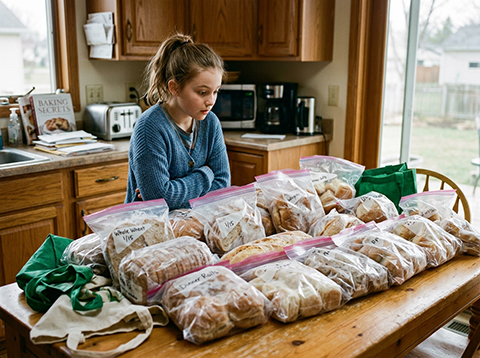
Freezing bread is an excellent way to extend its shelf life while preserving its flavor and texture for future use. Most types of bread—including sandwich loaves, rolls, bagels, tortillas, and homemade breads—freeze very well when wrapped tightly to prevent freezer burn. Slicing a loaf before freezing allows individual pieces to be removed as needed, reducing waste and making meal preparation more convenient. For the best quality, bread should be wrapped in plastic wrap or placed in a freezer bag with as much air removed as possible. When ready to use, frozen bread can be thawed at room temperature or toasted directly from the freezer, making it a practical and economical addition to both everyday meal planning and long-term food storage.
For the best quality, most breads should be kept frozen for up to 3 months. While bread remains safe to eat indefinitely if it stays continuously frozen at 0°F (-18°C) or below, its quality gradually declines over time.
Here are some general guidelines:
Sandwich bread: Best within 2–3 months
Homemade bread: Best within 2–3 months
Dinner rolls and buns: Best within 2–3 months
Bagels: Best within 3–6 months
Tortillas and flatbreads: Best within 4–6 months
After these recommended storage times, the bread may develop freezer burn, lose moisture, or become stale-tasting, but it is generally still safe to eat if it has remained properly frozen.
For long-term food storage, it is a good practice to label each package with the date it was frozen and rotate your supply so the oldest bread is used first. This helps ensure you enjoy the best possible flavor and texture while minimizing waste.