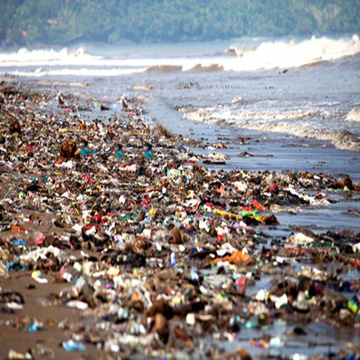
Waste is a major contributor to the declining health of our planet, affecting land, water, air, and living organisms. Piles of garbage, especially plastic and non-biodegradable materials, often end up in oceans and natural habitats, harming wildlife and polluting ecosystems. Landfills release methane, a potent greenhouse gas that contributes to climate change, while toxic chemicals from electronic and industrial waste can leach into the soil and water, contaminating resources vital to both humans and animals. The overproduction and careless disposal of waste not only deplete natural resources but also require massive amounts of energy, further increasing pollution and carbon emissions. Reducing, reusing, and recycling waste is essential to restoring the planet’s balance and protecting it for future generations.





• What materials can and can’t be recycled (plastic, paper, glass, metals, electronics, etc.)
• How to properly sort household waste
• What “wishcycling” is and why it’s a problem
• How reuse (e.g., donating clothing, repurposing containers) can reduce landfill waste
• How recycling helps conserve resources and energy